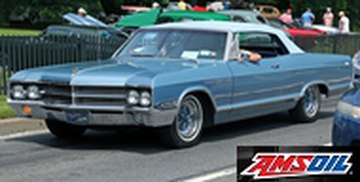
Lubrication Maintenance for the 1983 Buick RIVIERA 4.1L
Maintaining the engine lubrication system is a fundamental aspect of long-term vehicle ownership. For a vehicle like the 1983 Buick RIVIERA equipped with a 4.1L engine, consistent attention to oil condition and component integrity helps ensure the engine operates as intended. Proper maintenance involves more than just periodic changes; it requires an understanding of how different lubricant properties interact with the mechanical requirements of the engine.
Understanding Oil Quality versus Viscosity
When sourcing new engine oil, it is important to distinguish between viscosity and oil quality or certification. These are two distinct characteristics that serve different purposes in engine protection.
Viscosity refers to the fluid's resistance to flow. It determines how thick or thin the oil is at various temperatures, which directly affects how easily the lubricant can move through the engine components. While viscosity is a critical physical property, it does not describe the chemical effectiveness of the oil.
Oil quality and certification, such as those established by the American Petroleum Institute (API), refer to the chemical composition and additive package within the lubricant. High-quality oils are engineered with specific detergents, dispersants, and anti-wear agents designed to manage contaminants and protect metal surfaces. A lubricant might have the correct flow characteristics for an application but may lack the necessary chemical additives to prevent sludge buildup or oxidation over time. Therefore, a complete maintenance strategy involves selecting a product that meets both the physical flow requirements of the engine and the modern chemical standards for cleanliness and protection.
Monitoring Engine Condition and Fluid Integrity
As vehicles age, regular visual inspections become increasingly valuable. Rather than waiting for a warning light or a mechanical symptom, proactive monitoring can help identify changes in the vehicle's operating state. Owners should periodically inspect the area around the engine for any signs of fluid seepage or leakage from gaskets and seals. While some level of seepage is common in older engines, identifying it early allows for better management of fluid levels.
It is also useful to observe the appearance of the oil itself during routine checks. Significant changes in color, texture, or a strong odor can be associated with various internal processes. If you notice unusual mechanical noises or if the vehicle appears to be consuming more lubricant than usual, these symptoms warrant further investigation. Because many different factors can cause similar symptoms, these observations should be treated as indicators that a professional inspection may be necessary to determine the exact cause.
Prioritizing Long-Term Maintenance
Effective ownership of a classic vehicle involves moving away from guesswork and toward a condition-based maintenance approach. If you do not have a complete history of previous repairs and fluid services, establishing a baseline is a practical first step. This can be done by performing a thorough inspection of all accessible components and documenting the current state of the engine's lubrication system.
When managing maintenance priorities, address active concerns—such as visible leaks or changes in how the engine sounds—before focusing on purely preventive measures. Keeping detailed records of every oil change, filter replacement, and any observed fluid changes provides a roadmap for future service. This documentation helps you distinguish between routine upkeep and necessary repairs, ensuring that maintenance decisions are based on the actual needs of your specific 4.1L engine rather than generalized assumptions.
Practical Steps for Buying Engine Oil for your 1983 Buick RIVIERA 4.1L
To ensure you select a lubricant that is compatible with your engine, match the oil to the application-specific viscosity information and product listings displayed on this page. The technical data provided in the application section above serves as the primary reference for the correct grade required for this specific vehicle.
When comparing the available options, consider the following practical steps:
- Verify the Label: Always check the product packaging to ensure the SAE viscosity matches the information provided on this page.
- Check Certifications: Look for modern API service symbols on the bottle to ensure the oil meets current standards for detergent and additive performance.
- Evaluate Formulations: Depending on your specific needs, you may choose between conventional oils, synthetic blends, or full synthetic options. Some high-mileage formulations also include seal-conditioning additives intended for use in aging engines.
By using the application-matched listings found above, you can move directly from understanding your requirements to selecting a suitable product for your next service.